


How Plant-Based Eating Can Improve Gut Health

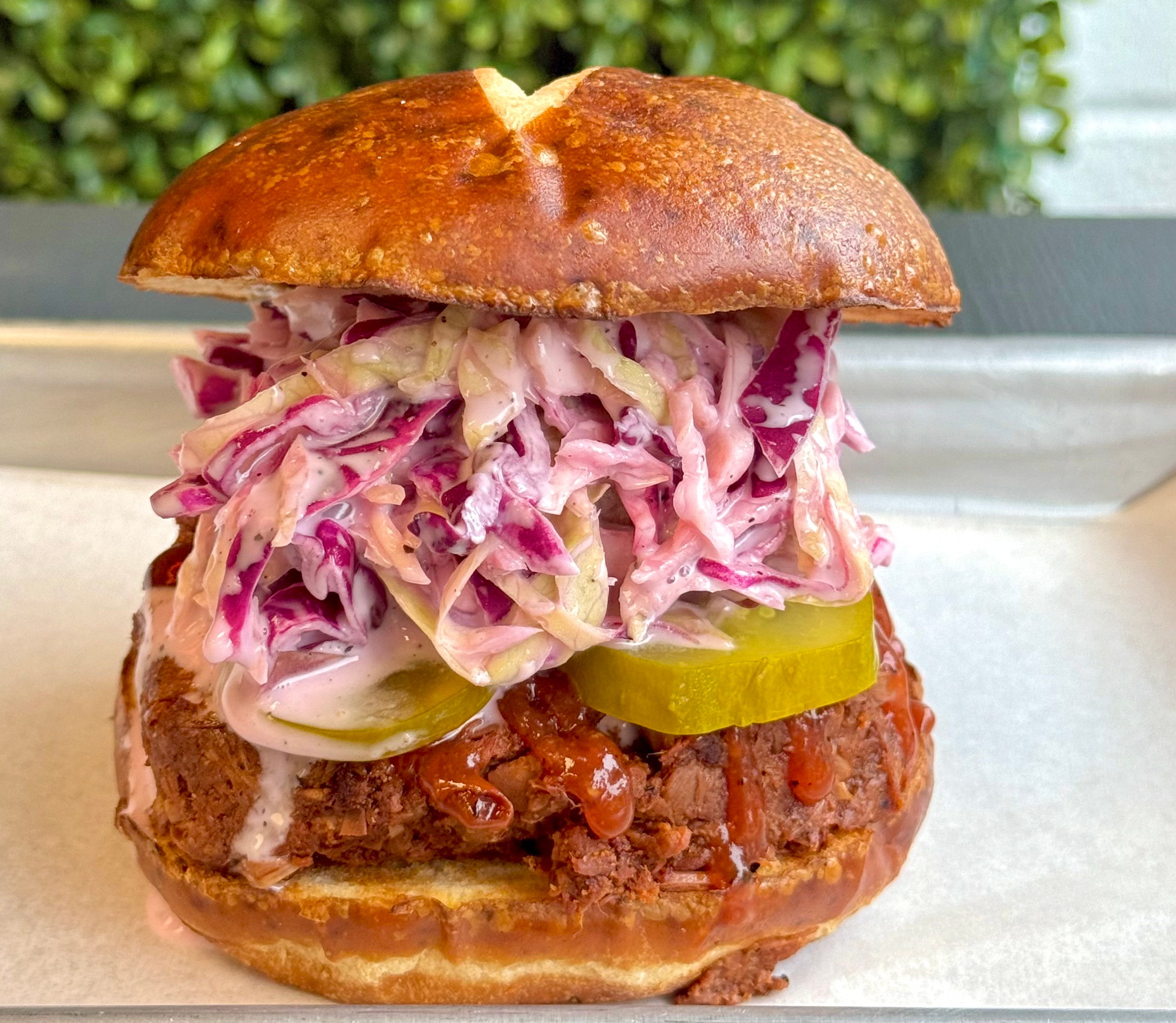
If you've ever experienced bloating, irregular digestion, or that heavy feeling after a meal, you may have started thinking differently about what you're putting on your plate.
One area getting a lot of attention is gut health.
Your digestive system does much more than process food. Your gut is home to trillions of microorganisms that interact with the food you eat and play important roles in digestion, metabolism, immune function, and overall health.
One of the simplest ways to support a healthy gut microbiome is to eat a greater variety of plant foods.
That's one reason plant-based eating has become increasingly popular not just among vegans, but among people who simply want to feel better and take a more intentional approach to nutrition.
What Is the Gut Microbiome?
The gut microbiome is the community of microorganisms including bacteria, fungi, and other microbes that live throughout your digestive tract.
These microorganisms interact with the foods you eat and produce compounds that can influence your body.
A healthy gut microbiome is generally associated with microbial diversity and a diet that provides plenty of different types of fiber and plant-derived compounds.
And that's where plants become especially important.
Why Fiber Matters for Gut Health
Most plant foods contain dietary fiber, which plays an important role in digestive health.
Unlike many other nutrients, certain types of fiber aren't fully digested in the small intestine. Instead, they reach the colon, where gut microbes can ferment them.
That process can produce short-chain fatty acids (SCFAs) such as acetate, propionate, and butyrate.
These compounds are important to the health and function of the colon and are one reason researchers are interested in the relationship between fiber-rich diets and the gut microbiome.
Plant foods provide different types of fiber, which means eating a variety of them can provide your gut microbes with a variety of substrates to work with.
More Plants Means More Variety for Your Microbiome
One of the biggest advantages of a plant-focused diet isn't simply eating more vegetables.
It's eating different kinds of plants.
Think about the variety available:
Mushrooms
Chickpeas
Beans
Whole grains
Leafy greens
Cruciferous vegetables
Berries
Apples
Root vegetables
Seeds
Fresh herbs
Different plants contain different types of fiber and phytochemicals.
That diversity can help support a more diverse gut microbiome.
In other words, your gut microbes benefit from variety just like your palate does.
Plant-Based Eating and Regular Digestion
Fiber also helps add bulk to stool and can help support regular bowel movements.
For people who don't currently eat much fiber, increasing plant foods gradually can be a practical way to increase their daily fiber intake. However, more fiber isn't always better overnight.
If your body isn't accustomed to a high-fiber diet, suddenly making a dramatic change can cause temporary gas, bloating, or abdominal discomfort.
The better approach is to increase fiber gradually and drink enough fluids.
What About Inflammation?
Gut health and inflammation are closely connected areas of ongoing research.
plant foods contain fiber, polyphenols, antioxidants, and other bioactive compounds that may influence inflammatory processes in the body.
At the same time, overall dietary patterns matter more than any single food.
A diet built primarily around a wide variety of minimally processed plant foods is very different from a diet that simply replaces animal products with highly processed foods.
That's an important distinction.
Plant-Based Doesn't Automatically Mean Healthy
This is something we believe strongly at Veg'd Out.
Plant-based is a description of what a food is not automatically a guarantee of how nutritious it is.
French fries are plant-based.
Some packaged cookies are plant-based.
Some highly processed meat alternatives are plant-based.
That doesn't mean you should build your entire diet around them.
The quality and variety of the foods you eat still matter.
That's why our philosophy centers around real plant ingredients.
Our Approach at Veg'd Out
At Veg'd Out, we don't use Beyond Meat or Impossible products.
Instead, we build our food around ingredients such as mushrooms, jackfruit, chickpeas, vegetables, herbs, spices, and house-made sauces.
We're interested in showing people that plant-based food doesn't have to mean eating a salad every day, or relying on a highly processed meat substitute.
You can eat comfort food while also making plants a bigger part of your diet.
That's the idea behind Veg'd Out.
Your Gut Is Part of the Bigger Picture
Ready to Put More Plants on Your Plate?
You don't have to give up comfort food to eat more plants.
At Veg'd Out, we're proving that plant-based food can be satisfying, flavorful, and familiar while putting real plant ingredients at the center of the meal.
Whether you're fully plant-based or simply trying to add more plants to your diet, there's always room for another plant-powered meal.
Veg'd Out
119 Pelham RdNew Rochelle, NY 10805
Tuesday–Friday: 11 AM–7 PM
Saturday: 12 PM–7 PM
Real plants. Real comfort. No compromise.


Comments